
How Aluminum and Wood Patio Covers Compare
When homeowners start planning a patio cover, one of the first decisions is choosing the material. Aluminum and wood are the two most common options, but they perform very differently once installed.
While both can create shade and improve outdoor comfort, durability, maintenance requirements, and long-term performance vary significantly depending on climate, weather exposure, and daily use.
Understanding those differences helps homeowners choose a structure that will remain comfortable and reliable for many years.
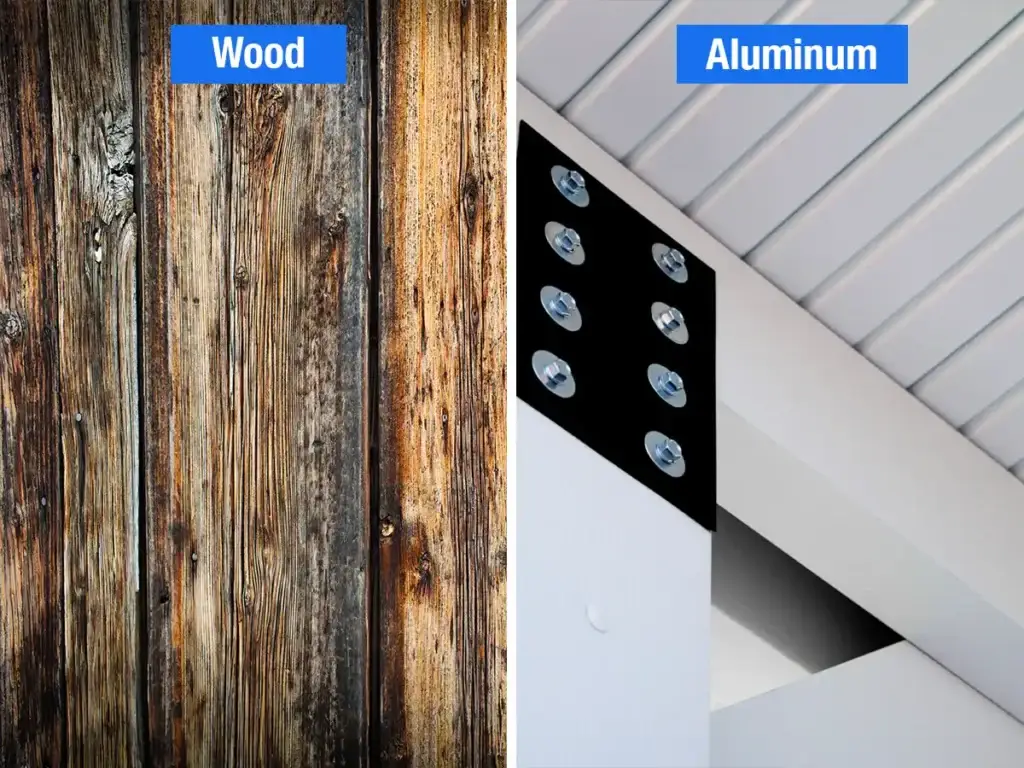
Durability Differences Between Aluminum and Wood Patio Covers
Durability is usually the biggest factor when comparing materials.
Wood patio covers have a traditional appearance and can work well when properly maintained. However, wood structures are naturally vulnerable to moisture, sun exposure, and temperature swings.
Over time, untreated wood may warp, crack, or rot, especially in climates that experience snow loads or intense summer heat.
Aluminum patio covers are engineered specifically to avoid those problems. Modern patio cover systems are designed with structural aluminum components that resist moisture damage, insects, and long-term weather exposure.
Because aluminum does not absorb water the way wood does, it maintains structural strength even after years of rain, snow, and sun.
In climates with significant seasonal changes, that durability difference becomes noticeable over time.
Maintenance Requirements Homeowners Should Expect
Maintenance is where the biggest long-term difference appears.
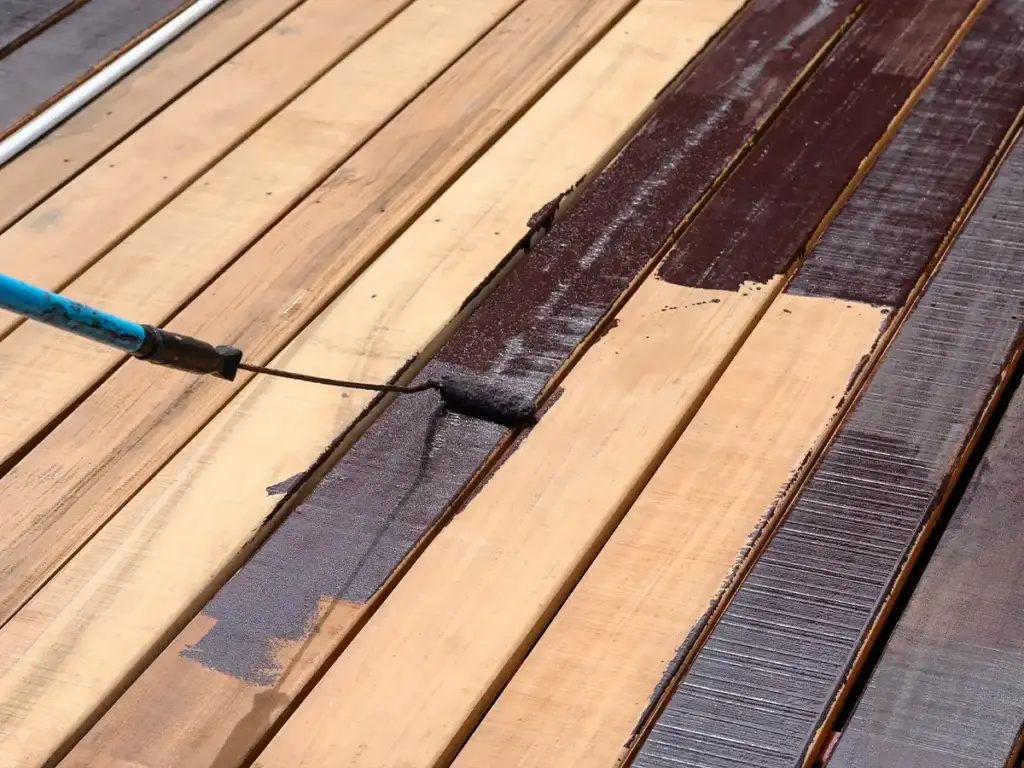
Wood patio covers typically require ongoing care. Homeowners often need to repaint, reseal, or stain wood structures every few years to protect them from moisture and sun damage. Without regular maintenance, wood can deteriorate faster than expected.
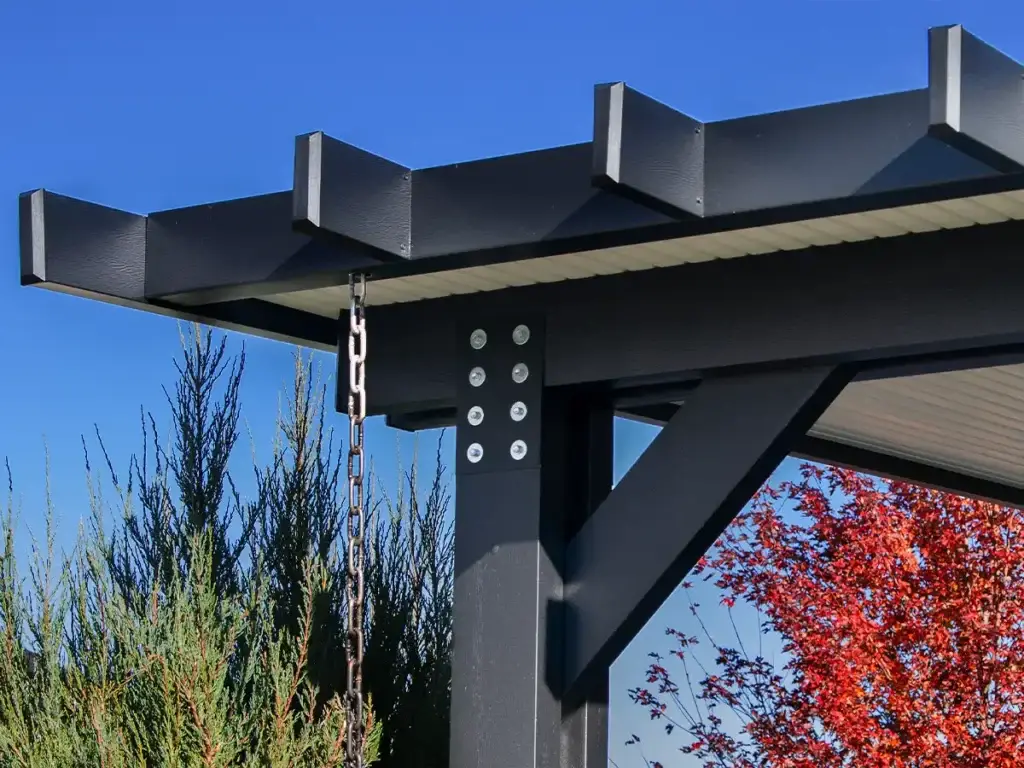
Aluminum structures are often chosen specifically to reduce that maintenance burden.
Many insulated aluminum covers use finished surfaces that resist fading, corrosion, and weather damage. These insulated patio covers are designed to maintain their appearance with very little upkeep beyond occasional cleaning.
For homeowners who want a structure that stays functional without routine repairs or refinishing, aluminum usually provides a lower-maintenance option.
Climate Performance in Hot and Snowy Regions
Climate plays a major role in how well a patio cover performs. In many homes, poor shade design is the reason patios become uncomfortable later in the day.
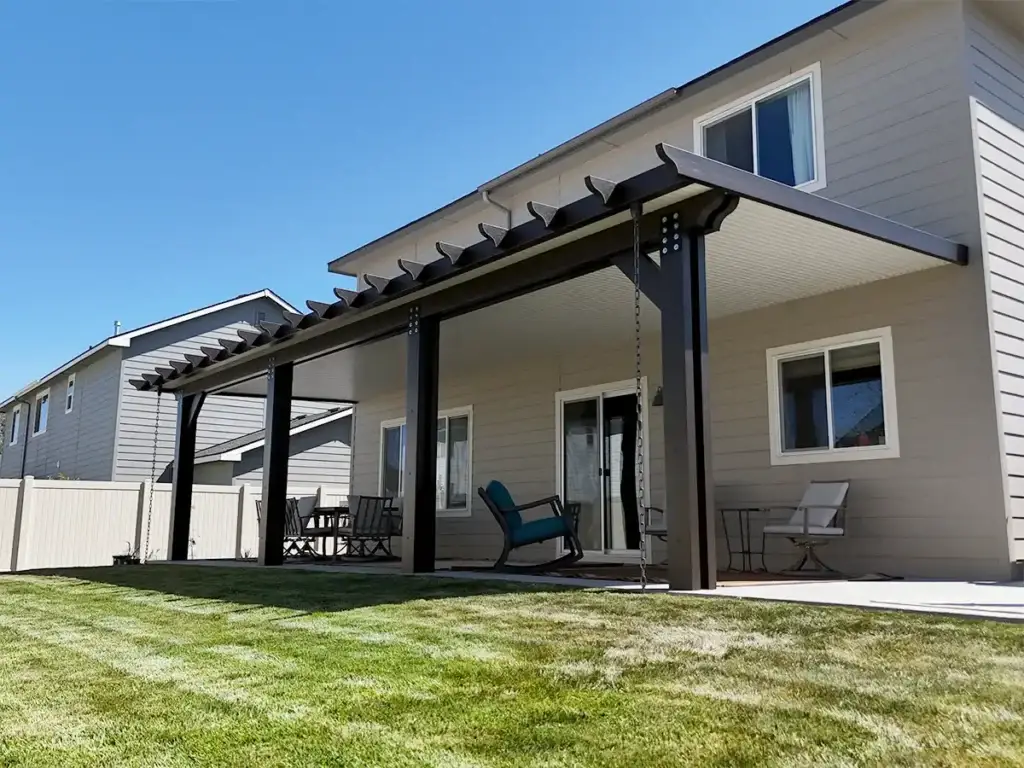
In hot regions, aluminum covers with insulated roof panels help reduce radiant heat transfer. The layered design helps prevent the roof surface from heating the space below, which can significantly improve outdoor comfort during summer afternoons.
Wood patio covers can still provide shade, but they often allow more heat buildup depending on the roof design and materials used.
In colder climates with snow loads, structural strength becomes equally important. Properly engineered aluminum systems are designed to support snow weight while maintaining long-term stability.
Homeowners planning outdoor structures in climates with seasonal temperature swings often consider both heat performance and winter durability when comparing patio cover materials in regions like Idaho.
Appearance and Design Considerations
Design preferences also influence the material decision.
Wood patio covers are often chosen for their natural appearance. They can complement traditional architecture and allow homeowners to customize stains or finishes.
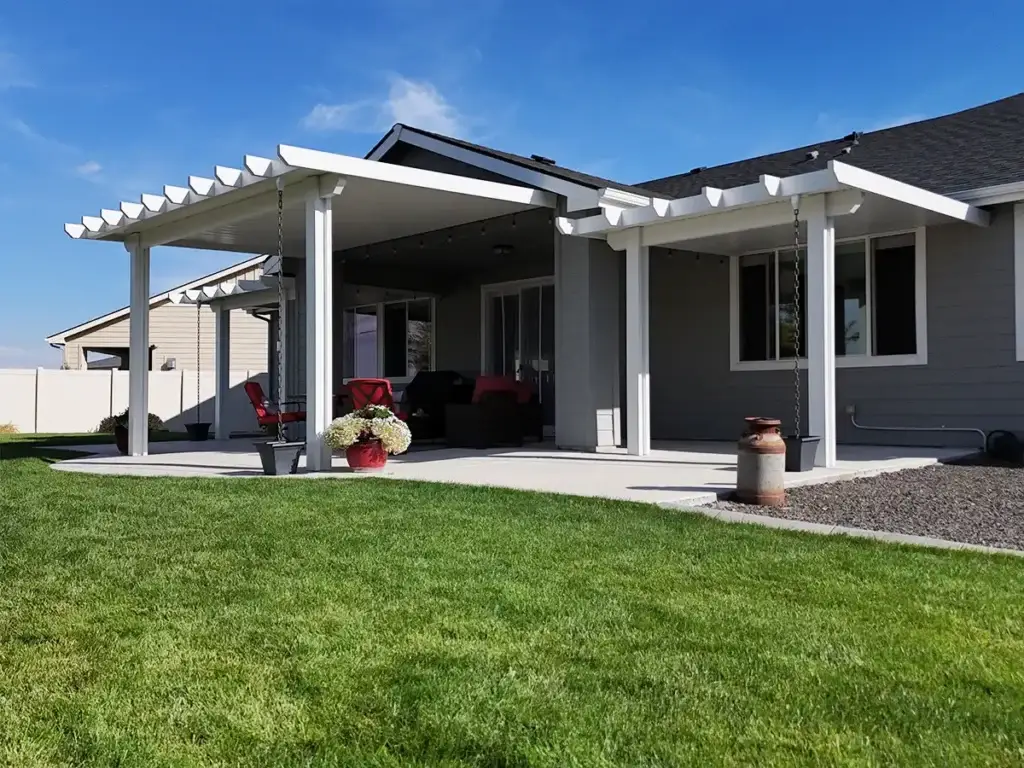
Aluminum patio covers offer more consistent structural performance and are commonly designed to match modern homes. Powder-coated finishes and engineered profiles allow them to maintain a clean appearance for years without the same level of upkeep required by wood.
In many cases, the choice comes down to whether homeowners prioritize natural aesthetics or long-term durability and low maintenance.
If you’re also considering pergolas, it’s helpful to understand how their structure impacts shade. This guide explains how pergola design affects shade coverage.
Cost Differences Over Time
Initial construction cost can sometimes be similar depending on the size and complexity of the project.
However, the long-term cost picture can change over time.
Wood patio covers often require repainting, repairs, or structural maintenance as the structure ages. Those maintenance expenses accumulate throughout the life of the structure.
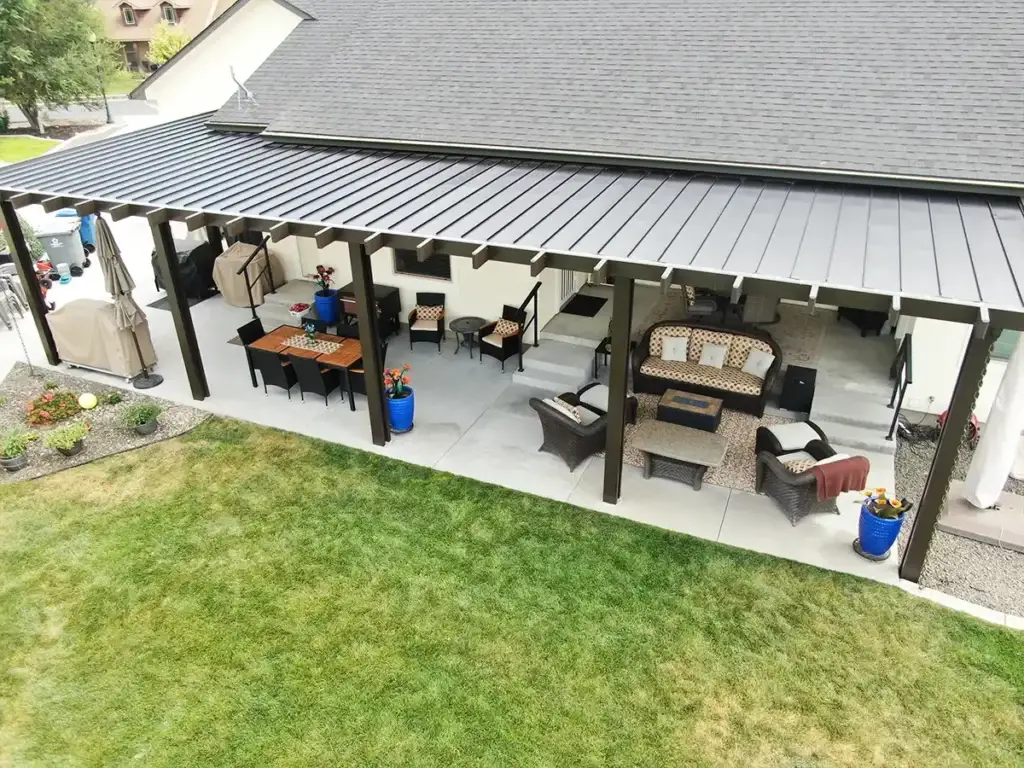
Aluminum patio covers typically require fewer repairs and less routine maintenance, which can make them more cost-effective over the long term.
For homeowners planning outdoor spaces intended to last decades rather than years, durability and maintenance often become more important than initial installation cost alone.
Choosing the Right Patio Cover Material
Both aluminum and wood patio covers can create comfortable outdoor spaces, but they serve different priorities. Some homeowners also compare pergolas and full patio covers when deciding what structure fits their climate and backyard layout.
Wood offers a traditional appearance and customization options but requires ongoing maintenance and protection from weather exposure.
Aluminum patio covers are engineered for durability, lower maintenance, and consistent performance in climates that include intense sun, snow, and seasonal weather. Many homeowners researching materials are also looking at current Boise patio cover design trends when planning backyard upgrades that match modern homes.
Understanding how each material performs helps homeowners choose a structure that matches their climate conditions, maintenance expectations, and long-term outdoor living goals.
Serving Homeowners Across Idaho and Southern Utah
ShadeWorks designs and installs custom patio covers and outdoor shade systems throughout:
Treasure Valley — Boise, Meridian, Eagle, Nampa, Caldwell, Star, Kuna
Eastern Idaho — Idaho Falls, Rigby, Shelley, Blackfoot, Pocatello, Ammon
Southern Utah — St. George, Washington, Santa Clara, Hurricane, Ivins, Cedar City
Get a free patio cover estimate to start planning your outdoor space.