
Choosing Between Attached and Freestanding Patio Covers
Attached vs Freestanding Patio Covers is one of the most common questions homeowners ask when planning a more usable outdoor space. The right choice depends on how the structure connects to the home, how the space will be used, and how it will perform over time in heat, snow, wind, or changing seasonal conditions.
Some backyards benefit from a patio cover tied directly into the house, while others work better with a stand-alone structure placed away from the home. Understanding the structural differences, design limitations, and long-term maintenance needs helps homeowners choose a shade solution that fits both the property and the climate.
Attached vs Freestanding Patio Covers
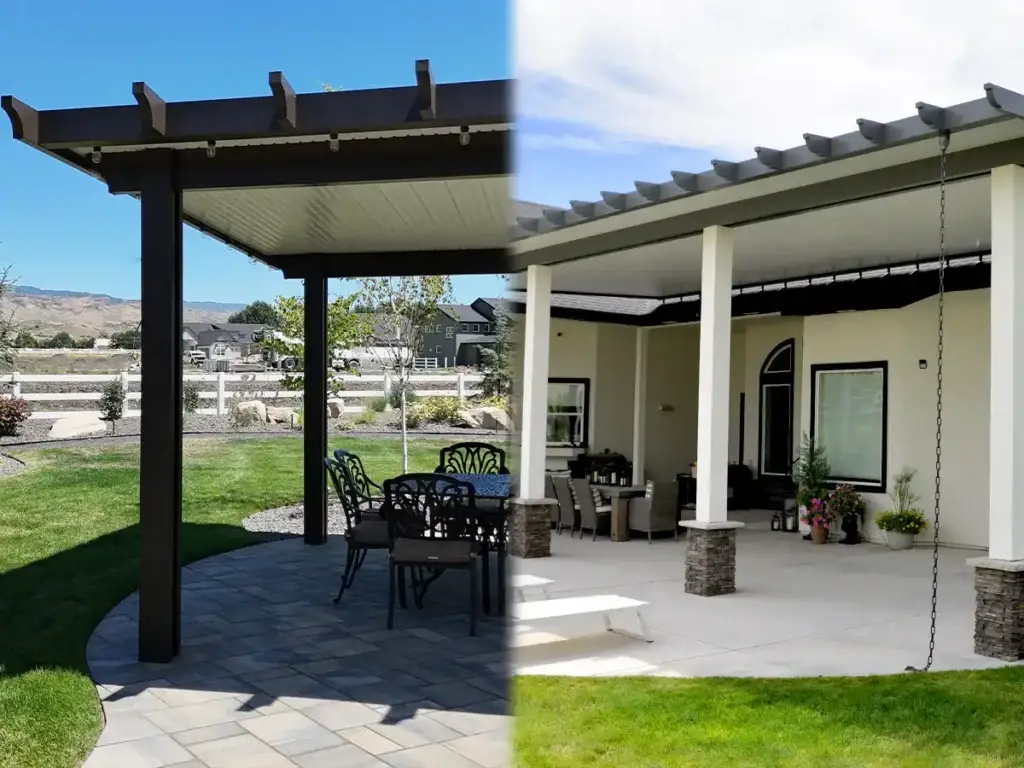
Attached patio covers connect to the home and usually create a more integrated transition from indoor to outdoor living. Freestanding patio covers stand on their own posts and can be placed in a wider range of backyard locations. The better option depends on layout, structural conditions, desired shade coverage, and how the space will be used throughout the year.
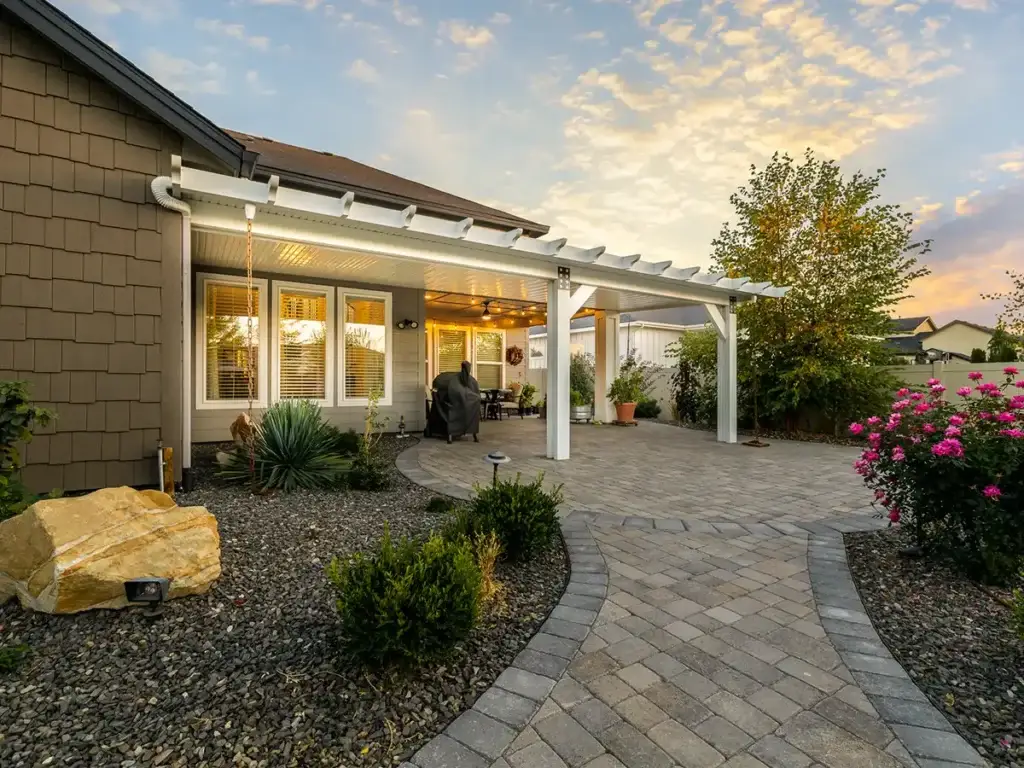
An attached patio cover is supported partly by the home and partly by posts. This type of design often works well over an existing concrete patio, deck, or outdoor entertaining area directly behind the house. Because it connects to the structure, it can create a more natural extension of the home and often feels more permanent from both a design and usability standpoint.
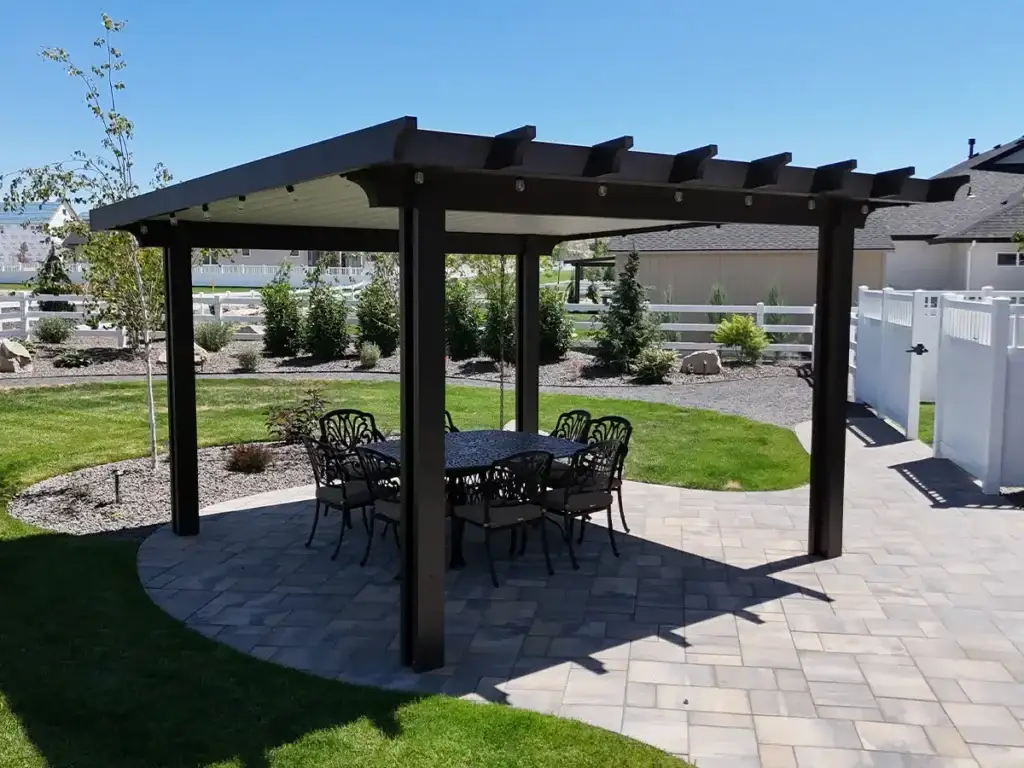
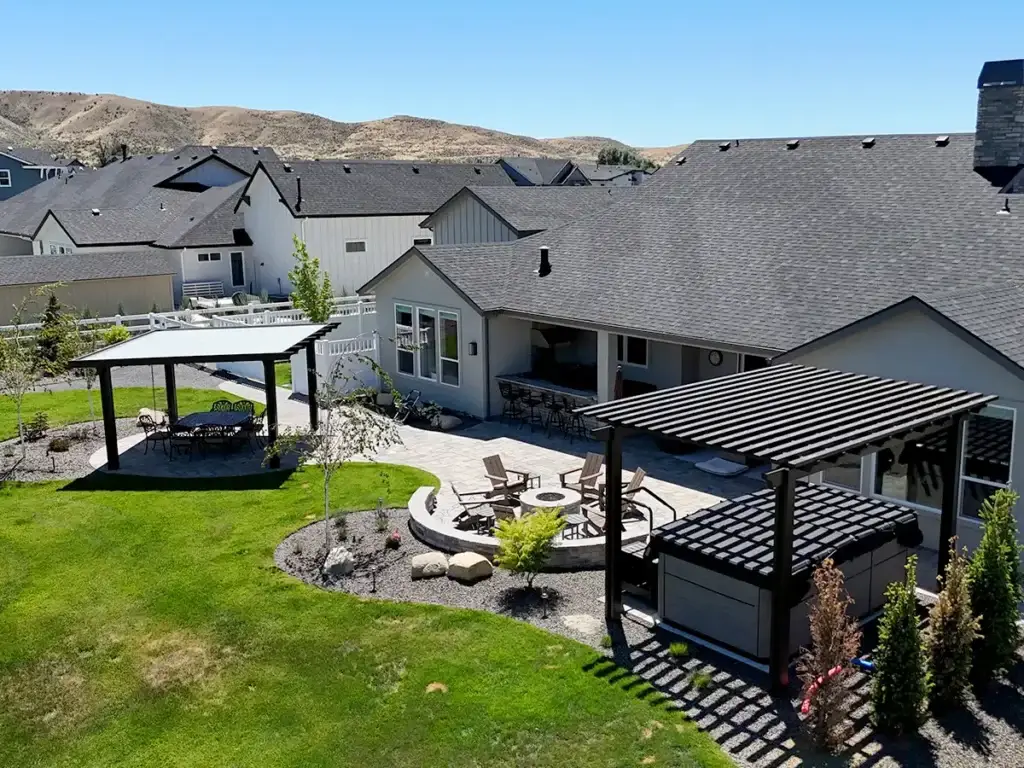
A freestanding patio cover is supported entirely by its own posts and framing. It does not rely on the house for support, which gives more flexibility in placement. This can be useful for covering a detached seating area, an outdoor kitchen, a poolside zone, or a part of the yard where an attached structure would not provide the right coverage.
What are the main structural differences?
The biggest structural difference is how the load is carried. Attached patio covers transfer part of the load to the house, which means the connection point must be properly engineered and tied into sound framing. Roofline, wall construction, existing fascia conditions, and local code requirements all matter. In areas with snow loads or seasonal wind, that connection becomes even more important.
Freestanding patio covers carry the entire load through their own columns, beams, and footings. This gives more placement freedom, but it also means footing design and structural support are critical. In climates with freeze-thaw cycles, expansive soils, or high winds, footing depth and anchoring methods can have a major effect on long-term performance.
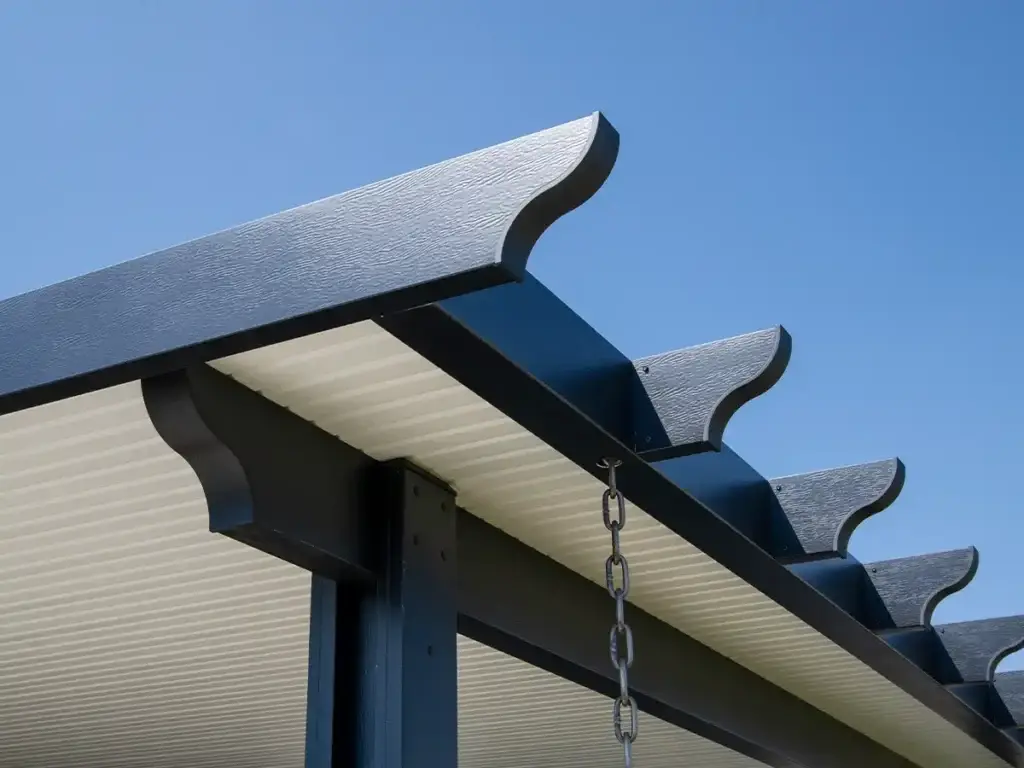
Material choice also plays a role. Aluminum systems are popular because they resist rot, insects, and many moisture-related issues that affect wood over time. Homeowners comparing options may also benefit from reading about aluminum vs. wood patio covers to better understand how materials affect lifespan, maintenance, and structural reliability.
Which option works better for shade and comfort?
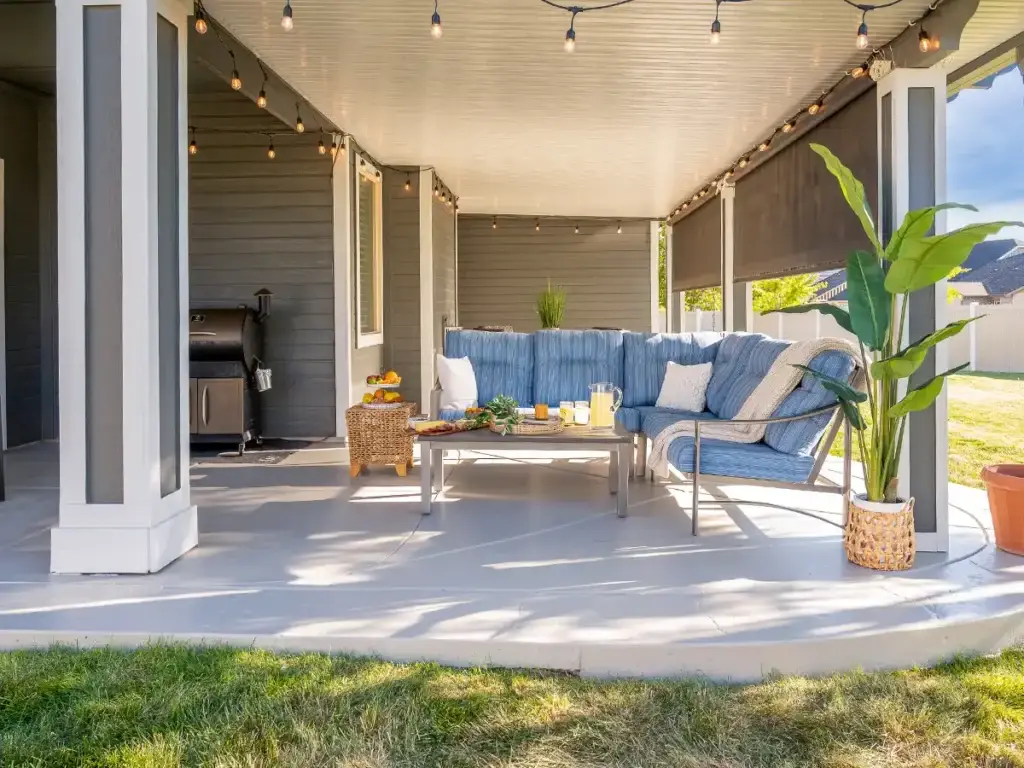
Comfort depends on more than just whether the structure is attached or freestanding. Orientation to the sun, roof design, height, and surrounding surfaces all affect how usable the space feels. However, attached patio covers often do a better job of extending usable shade directly off the home, especially during the hottest part of the afternoon.
That matters in regions where patios become difficult to use during peak summer heat. If the goal is to create a cooler transition zone right outside the back door, attached covers often make the most practical sense.
Homeowners dealing with heat exposure may also find it helpful to review why patios get too hot after 3 PM to understand the root cause of heat buildup. From there, it becomes easier to see how shade structures reduce backyard temperatures and improve overall comfort.
Freestanding structures can still provide excellent comfort, but they work best when the target area is separate from the home. For example, a detached lounge area or backyard dining zone may benefit more from a structure placed exactly where shade is needed rather than where the house happens to end.
How do attached and freestanding designs compare?
| Feature | Attached Patio Cover | Freestanding Patio Cover |
|---|---|---|
| Connection | Mounted to the home and supported by posts | Fully self-supported on posts and footings |
| Best Use | Covering an existing patio directly behind the house | Creating shade in a separate backyard zone |
| Design Feel | More integrated with the home | More flexible placement and layout options |
| Structural Focus | House attachment and load transfer | Footings, post layout, and independent stability |
| Climate Considerations | Snow load, roof tie-in, drainage near the home | Wind exposure, footing depth, soil conditions |
Which design is better for different climates?
In hot climates, both options can work well if they are designed for proper shade coverage and ventilation. Attached covers often help cool the immediate patio area and reduce direct sun exposure near doors and windows. Freestanding structures can work well in open yards, especially when positioned to cover a dedicated seating or entertaining area.
In snowy or mixed-season climates, the structure needs to do more than look good. Roof loads, beam spans, column placement, and drainage all matter. Attached patio covers may require careful integration with the house to manage runoff and prevent weak connection points. Freestanding structures need solid engineering at the foundation level so they remain stable through wet winters, frost movement, and wind exposure.
Homeowners comparing covered structures with more open shade systems may also want to review pergola vs. patio cover differences. That comparison helps clarify when a solid-roof cover makes more sense than a more open overhead design.
For homeowners in colder regions, it also helps to review patio covers in Eastern Idaho snow load conditions to see how footing design, structural support, and material choice affect long-term performance.
How should homeowners choose between the two?
The best choice usually comes down to four practical questions:
- Where is shade needed most?
- Is there an existing patio directly behind the house?
- Does the home provide a good structural attachment point?
- Will the space be used mainly for dining, relaxing, cooking, or general backyard coverage?
If the goal is to make an existing patio more comfortable and connected to the home, an attached patio cover is often the stronger option. If the goal is to create a shaded destination elsewhere in the yard, a freestanding layout may be the better fit.
Homeowners planning a larger backyard upgrade may also want to look at different patio cover options and pergola design options before finalizing the structure type. For additional layout and style inspiration, it can also help to review custom pergola design ideas in Treasure Valley. The location of walkways, furniture zones, grills, and views can all influence whether attached or freestanding placement makes more sense.
Common Questions Homeowners Ask
Do attached patio covers cost less than freestanding ones?
Sometimes, but not always. Attached covers may use the home as part of the support system, but proper attachment, flashing, and engineering can add complexity. Freestanding covers may require more independent framing and footing work.
Can a freestanding patio cover be placed close to the house?
Yes, in many cases it can. Some homeowners choose a freestanding design near the home when roofline conditions or attachment details make an attached option less practical.
Which option adds more everyday usability?
That depends on where the family spends time most often. Attached covers usually improve daily use right off the back door, while freestanding covers can create a dedicated backyard destination if that better matches how the property is used.
Serving Homeowners Across Idaho and Southern Utah
ShadeWorks designs and installs custom patio covers and outdoor shade systems throughout:
Treasure Valley — Boise, Meridian, Eagle, Nampa, Caldwell, Star, Kuna
Eastern Idaho — Idaho Falls, Rigby, Shelley, Blackfoot, Pocatello, Ammon
Southern Utah — St. George, Washington, Santa Clara, Hurricane, Ivins, Cedar City
Get a free patio cover estimate to start planning your outdoor space.