
How to Add Shade and Make Your Backyard More Usable
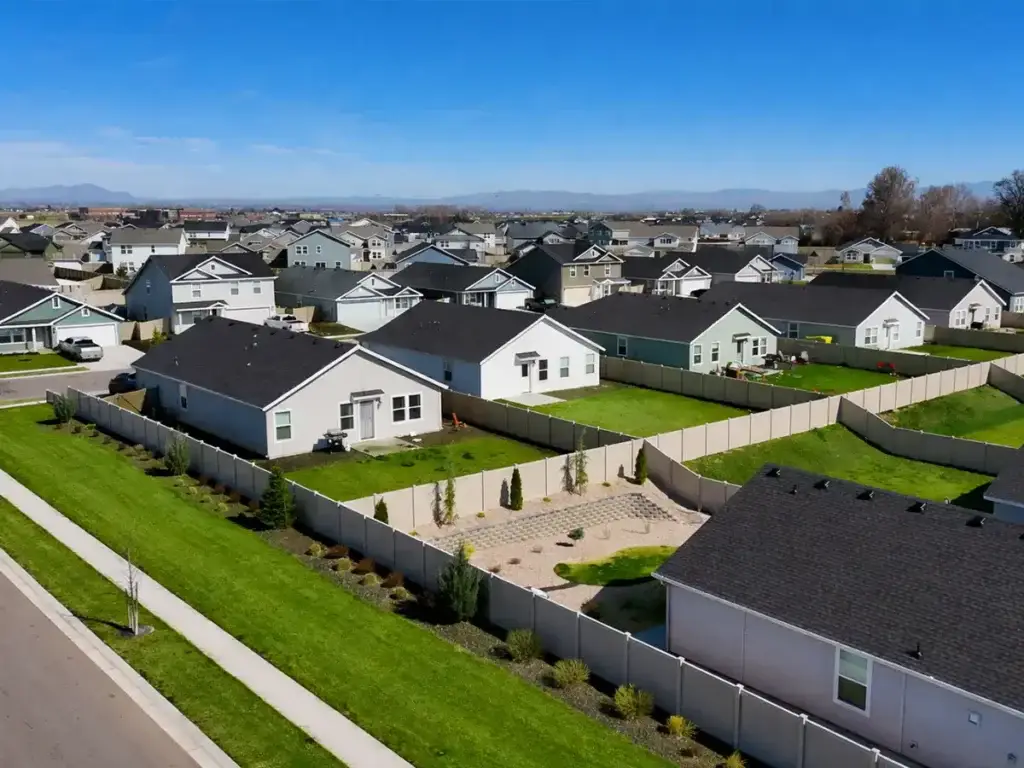
Backyard Shade Ideas That Increase Home Use matter because many outdoor spaces look good on paper but stay empty during the hottest or most exposed parts of the day. Homeowners often invest in furniture, grills, and landscaping, only to find the space is still too hot, too bright, or too uncomfortable to use consistently.
That frustration is common in both hot and seasonal climates. In desert areas, direct sun can make a patio unusable by mid-afternoon. In four-season areas, exposure to summer heat, wind, and changing weather can make a backyard feel inconsistent and underused for much of the year.
Many homeowners run into this issue because they underestimate how much direct sun impacts usability. A deeper breakdown of why patios become uncomfortable can be found in why patios get too hot after 3PM.
Why do some backyards feel unusable even when they look finished?
A backyard can feel finished but still fail in daily use when it has no real protection from direct sun, glare, and surface heat. The issue is usually not the size of the space. It is that the space is exposed at the exact times homeowners want to use it most.
Many homeowners assume the problem is their patio layout, furniture choice, or landscaping. In reality, the biggest issue is often lack of overhead shade. Concrete gets hot, patio furniture becomes uncomfortable, and the sun pushes people back inside. Even in seasonal climates, a patio without shade can feel too exposed in summer and less useful throughout the year.
This is why homeowners often say things like:
- The patio is nice, but nobody uses it in the afternoon.
- The backyard gets too hot once the sun shifts.
- We spent money on the space, but it still does not feel comfortable.
Once that pattern starts, the backyard becomes something people look at rather than something they use. In many cases, this comes down to how shade affects surface temperature and comfort. You can see how different structures impact heat in how shade structures reduce backyard temperatures.
Backyard Shade Ideas That Increase Home Use
The best shade ideas do more than add visual appeal. They solve a real comfort problem. The right option depends on how much coverage is needed, how permanent the solution should be, and how the backyard is used day to day.
1. Attached patio covers for consistent shade
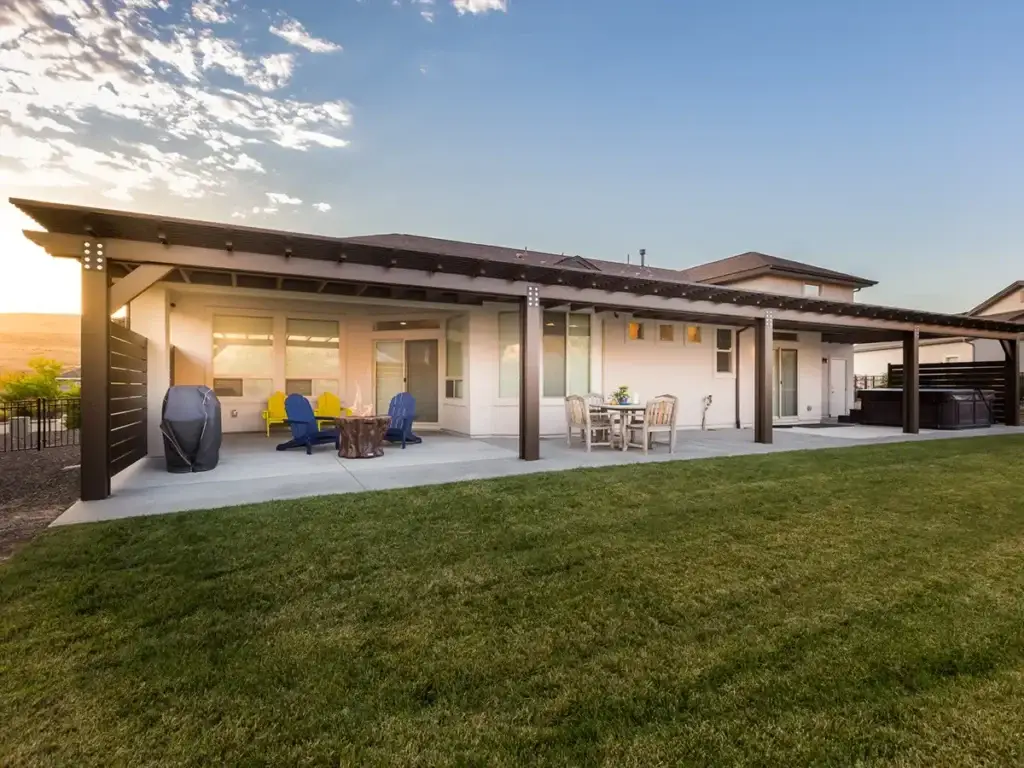
An attached patio cover is one of the most effective ways to make a backyard more usable. Because it connects directly to the home, it creates reliable overhead protection where people actually spend time: near the back door, outdoor dining area, grill, or seating space.
This option usually works well for homeowners who want a dependable structure rather than a temporary fix. It helps reduce direct sun exposure, improves comfort, and makes the patio feel like part of the home instead of a separate area that only works in perfect weather. Homeowners comparing permanent overhead solutions can learn more about custom patio covers and how they improve daily backyard use.
For homeowners deciding between layouts, it also helps to compare attached vs freestanding patio covers to understand how placement affects daily use.
2. Pergolas for filtered light and visual structure
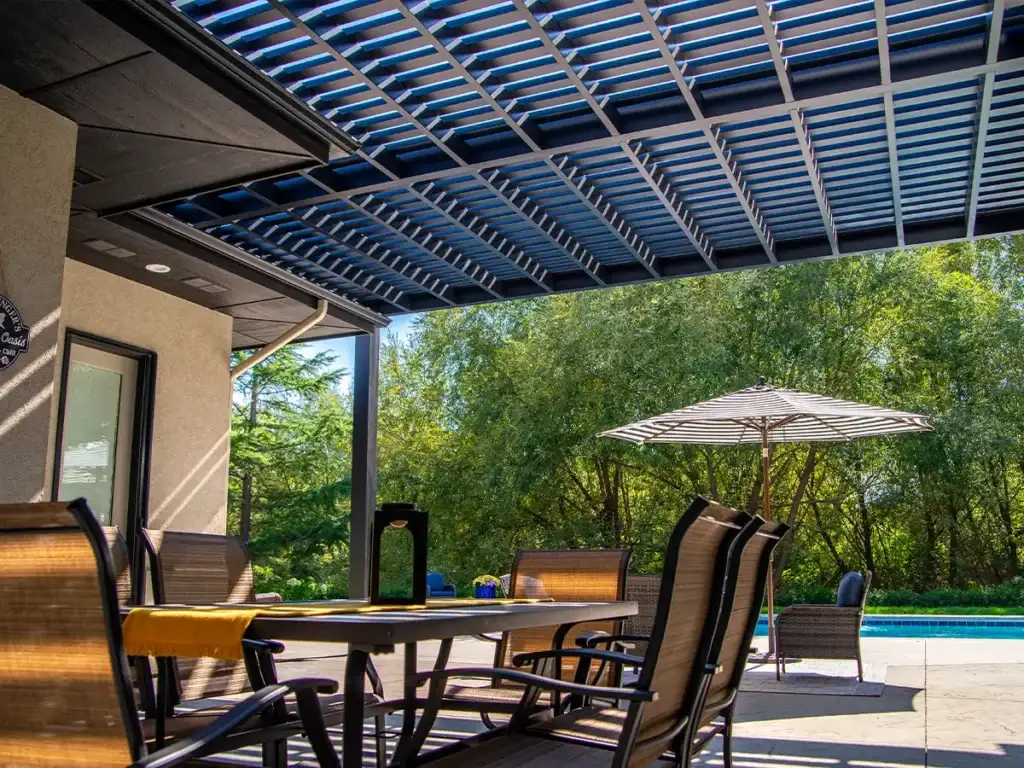
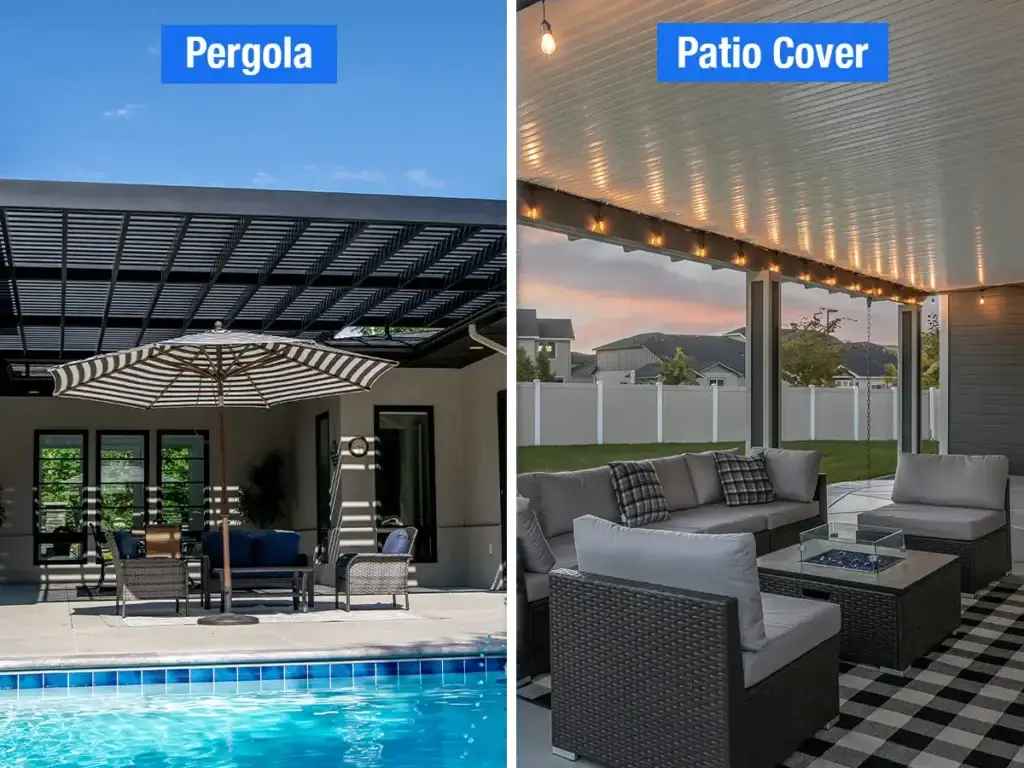
Pergolas can improve home use when homeowners want partial shade and a more open feel. They are often chosen for style, airflow, and the ability to define a space without fully enclosing it.
That said, pergolas are not the same as full patio covers. If you are comparing these two options directly, this breakdown of pergola vs patio cover differences explains when each makes the most sense.
They can reduce harsh overhead exposure, but they usually allow more light through. In climates with intense afternoon sun, homeowners should be realistic about the level of relief they want. A pergola may improve comfort, but it may not solve extreme heat as effectively as a fully covered structure. For homeowners weighing style versus coverage, this guide on modern pergolas for backyard shade can help clarify the tradeoffs.
3. Shade structures for open-yard coverage
Some backyards need shade away from the house. This is where freestanding shade structures can help. They work well over separate seating zones, outdoor kitchens, or gathering areas that are not directly attached to the patio.
This approach can increase home use by extending comfort beyond the back door. For layout inspiration and real-world applications, it can also help to review custom pergola design ideas in Treasure Valley and how different zones are created across a backyard. It is especially useful when homeowners want to create multiple usable zones across the yard instead of relying on a single covered patio area.
4. Exterior shade screens for low-angle sun
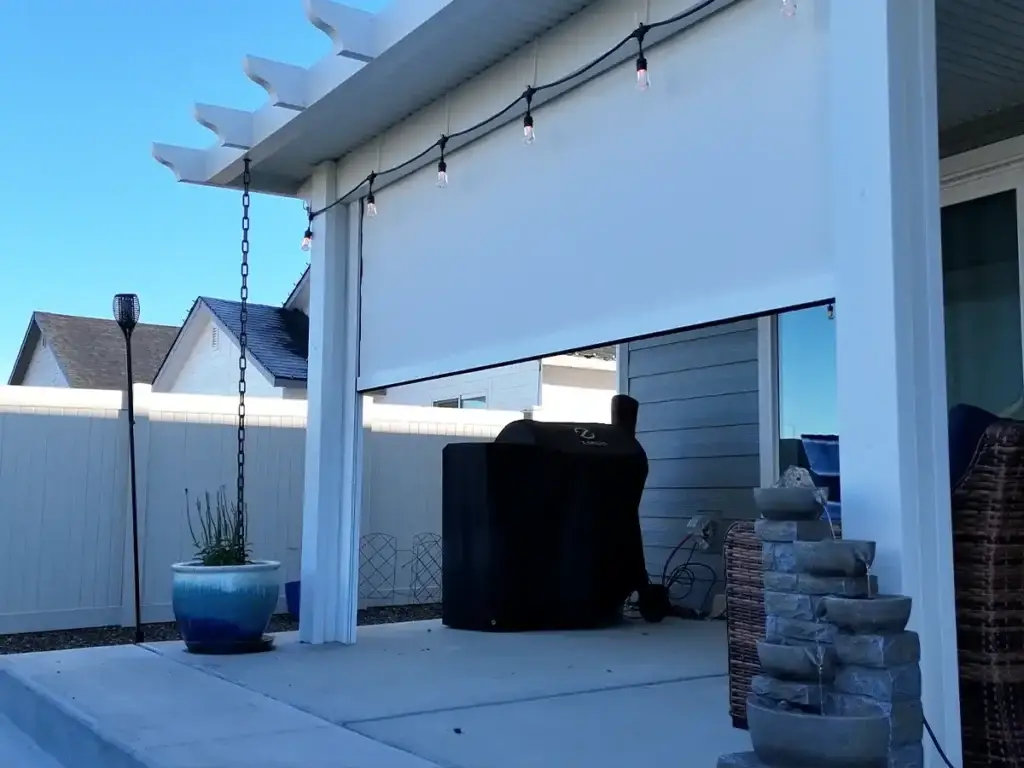
In some backyards, the problem is not just overhead sun. It is the angle of the sun in the morning or late afternoon. That is when glare becomes intense and heat pushes into the patio from the side.
Exterior shade screens can help in these situations. They are useful when homeowners already have some overhead protection but still deal with side exposure, low sun, wind, or privacy concerns. When the issue is strong side light or late-day heat, exterior patio shade screens can be part of a more complete solution.
Which backyard shade option works best?
Not every shade solution solves the same problem. Some improve appearance. Some improve comfort. The best choice is the one that matches how the space is actually used.
Climate also plays a major role in choosing the right solution. Homeowners in hotter regions can explore patio cover options for extreme heat, while those in colder areas should consider patio covers built for snow and seasonal conditions.
| Shade Option | Best For | Main Benefit | Possible Limitation |
|---|---|---|---|
| Attached Patio Cover | Main patio next to the home | Reliable overhead shade and better daily comfort | More permanent than lightweight shade options |
| Pergola | Homeowners wanting partial shade and open design | Improves appearance, structure, and filtered light | Less heat protection than a fully covered system |
| Freestanding Shade Structure | Separate seating or gathering areas | Creates usable zones away from the house | May not help the main patio area near the home |
| Exterior Shade Screen | Low-angle sun and side exposure | Helps with glare, heat, and privacy | Usually works best as part of a larger shade plan |
How do you choose the right solution for a hot or seasonal climate?
Homeowners should start by paying attention to when the backyard becomes uncomfortable. If the space is fine in the morning but unusable in the afternoon, overhead shade is often the issue. If the patio is covered but still gets blasted by side sun, screens or additional side protection may be needed.
In hotter climates, full and dependable coverage usually matters more than decorative shade alone. In seasonal climates, durability and long-term performance become more important, especially when structures need to handle changing conditions over time.
It also helps to think in terms of use patterns:
- If the goal is outdoor dining, the table needs dependable coverage.
- If the goal is relaxing after work, afternoon sun control matters most.
- If the goal is year-round value, long-term materials and installation quality matter more than a quick visual upgrade.
Homeowners who are still deciding between structural options may also find it helpful to review the differences between aluminum and wood patio covers, especially when comparing maintenance, performance, and long-term durability.
What usually goes wrong when homeowners try to fix backyard shade too quickly?
A common mistake is choosing a shade solution based only on appearance. A structure may look clean in photos but still fail to solve the actual comfort problem. Another mistake is underestimating how much direct sun hits the space during the hottest hours of the day.
Homeowners also run into problems when they add a small shade element to a large exposure issue. A simple visual accent might help a corner of the yard, but it will not change how the full patio feels. That is why the most successful shade improvements start with the question, “When and where is the space hardest to use?”
Once that question is answered clearly, the right solution becomes much easier to identify.
Common Questions Homeowners Ask
Will a pergola make my patio cooler?
A pergola can improve comfort and reduce some direct exposure, but it usually does not block heat as completely as a fully covered patio structure.
What is the best shade option for a backyard that gets afternoon sun?
In many cases, an attached patio cover is the most effective choice because it creates reliable overhead shade where homeowners spend the most time. This is especially true in situations where afternoon heat makes patios unusable.
Can shade screens help if I already have a patio cover?
Yes. Shade screens are often useful when the main issue is low-angle sun, glare, privacy, or heat coming in from the side.
Serving Homeowners Across Idaho and Southern Utah
ShadeWorks designs and installs custom patio covers and outdoor shade systems throughout:
Treasure Valley — Boise, Meridian, Eagle, Nampa, Caldwell, Star, Kuna
Eastern Idaho — Idaho Falls, Rigby, Shelley, Blackfoot, Pocatello, Ammon
Southern Utah — St. George, Washington, Santa Clara, Hurricane, Ivins, Cedar City
Get a free patio cover estimate to start planning your outdoor space.